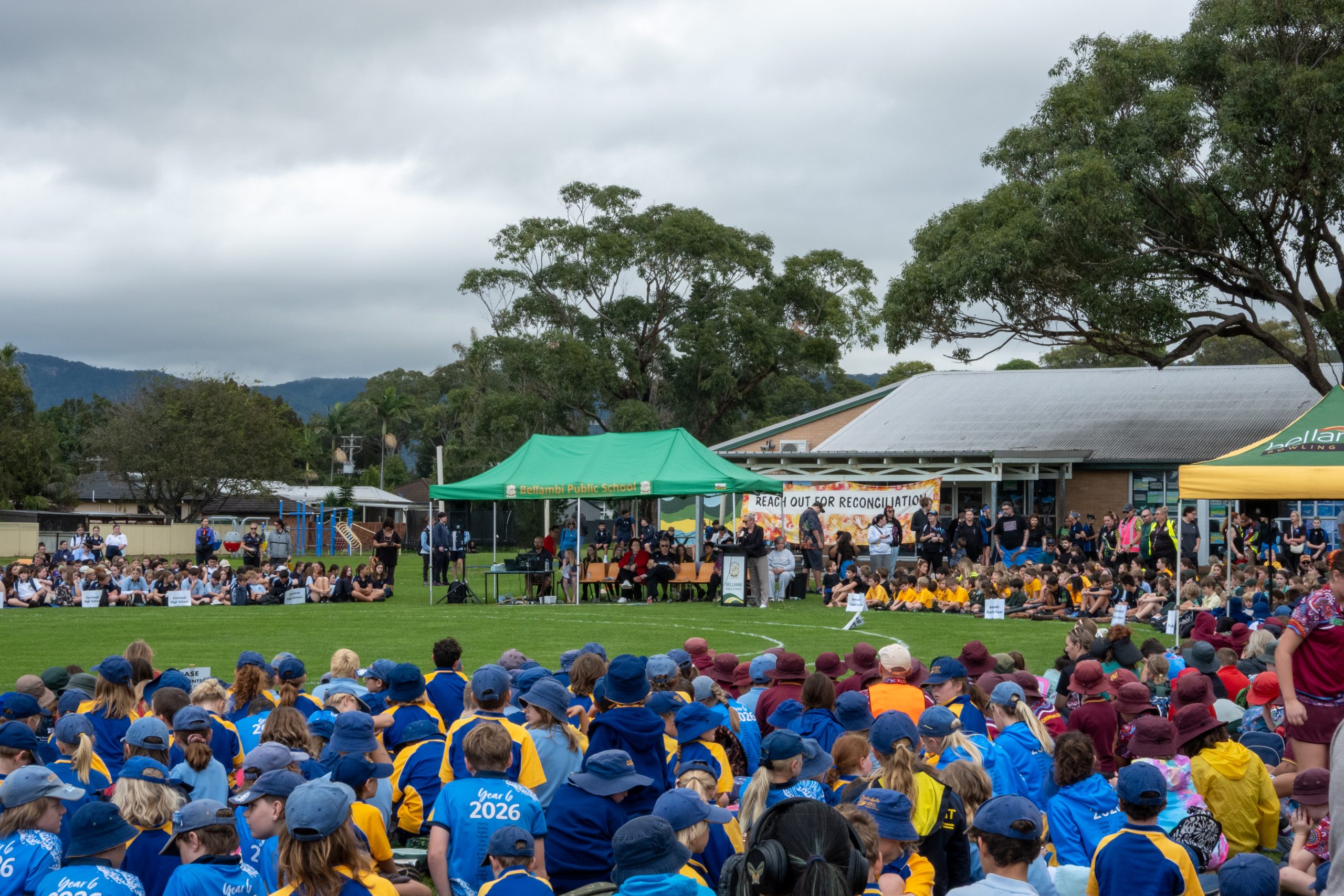
BROOKS is proud to celebrate National Reconciliation Week with you!
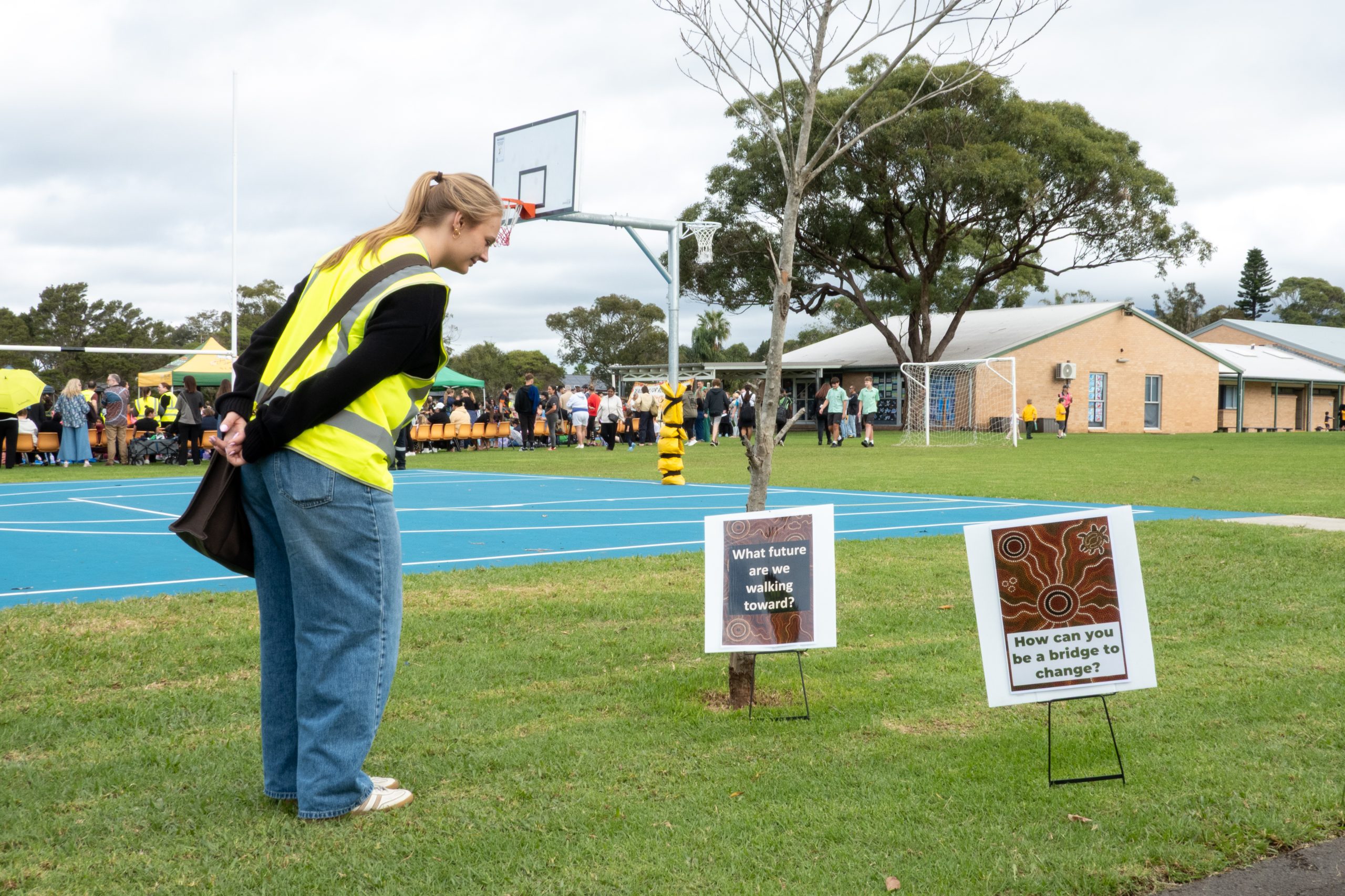
BROOKS volunteering at Bellambi Public Schools annual Reconciliation Walk where over 50 school across the Illawarra attended
The week is bookended by two important dates in modern Indigenous history. The first was the 1967 referendum, where 91% of Australians voted to count Indigenous people in the census and in federal lawmaking. The second is the Mabo decision, where Indigenous Australians were ruled to have never ceded sovereignty over the land.
National Reconciliation Week has been observed- under that name- since 1996, but its first form- the Week of Prayer for Reconciliation- goes back three years earlier, to the International Year of the World’s Indigenous Peoples.
Reconciliation Australia was set up in 2001 to provide national leadership on Indigenous Reconciliation, but no organisation can do it alone. That’s why this year’s theme for National Reconciliation Week is All In. This is not something that we can read about and not actively do. It is, in Reconciliation Australia’s words, “a call for Australians to commit wholeheartedly to reconciliation every single day”.
How can we practically commit to reconciliation? There are a few ideas which I think are worth sharing.
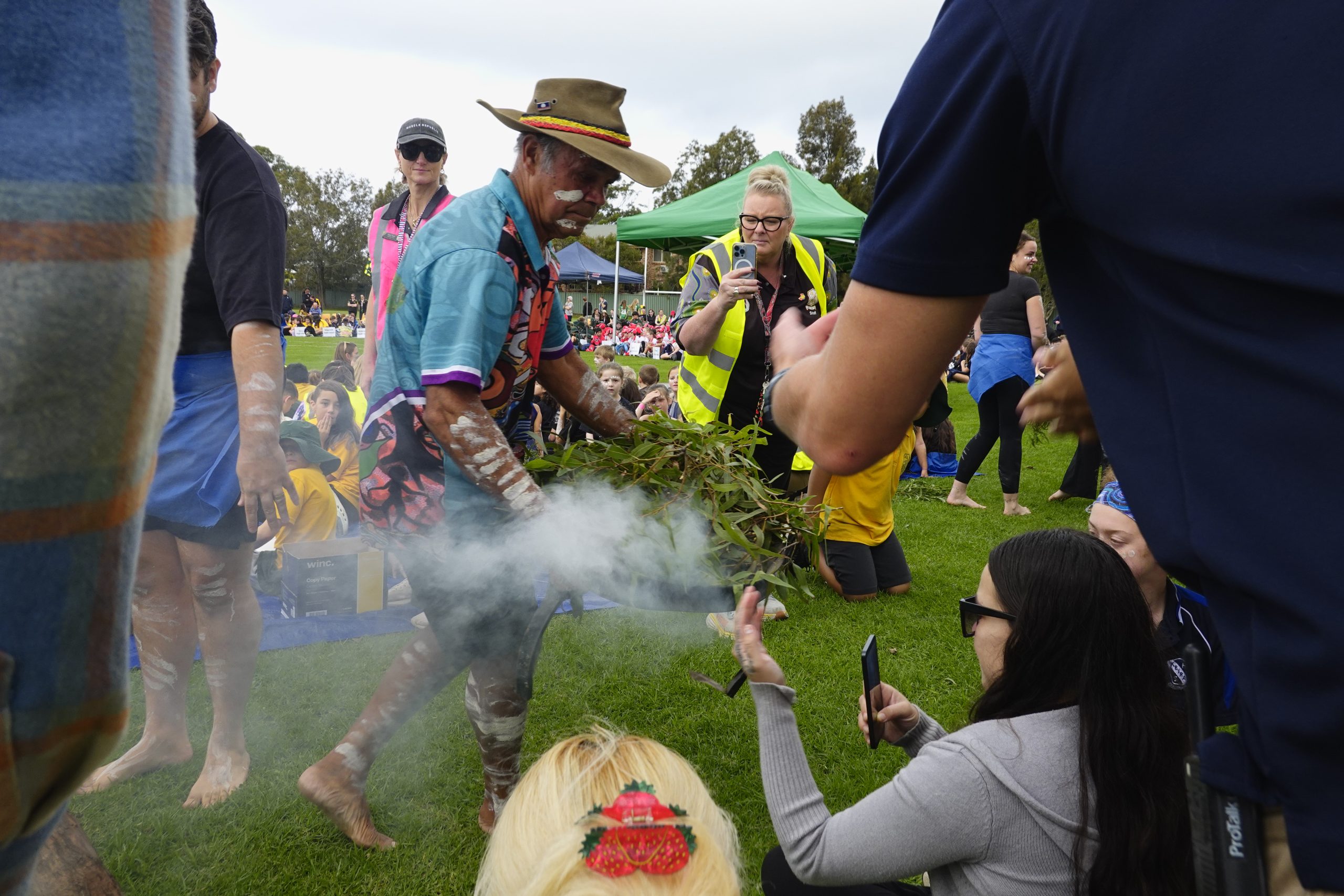
Learning is always the first step of anything, so the first step is learning about Indigenous culture, and what reconciliation means. You can find Indigenous events focused on reconciliation around Australia on this calendar, ranging from art exhibitions to film screenings to walks to dinners to tours. Each of them could teach you something or build a connection that would help your organisation’s reconciliation journey, and it would be a good time regardless!
Second, get involved in a campaign to promote reconciliation. However local or national, there is something that helps advance equality or reconciliation more broadly. Change the Record, for example, works towards helping reduce the incarceration rates of indigenous Australians, especially children. The Australian Human Rights Commission’s campaign, There’s Nothing Casual About Racism, helps to call out and directly challenge racism in everyday life. Close the Gap helps to address the shocking differences in life outcomes between Indigenous and non-Indigenous Australians. Finally, there is the Walk for Truth from Melbourne to Canberra, that raises attention to the need to tell the truth about our national history.
Finally, if you want goals to measure your company’s commitment to reconciliation, a Reconciliation Action Plan is a useful way of doing so. Your company can develop one that makes sense for its operations with constant feedback from Reconciliation Australia, so it’s a great way to remain consciously committed to reconciliation for the other fifty-one weeks of the year. BROOKS is proud to have launched the second phase of its Reconciliation Action Plan, and we hope it helps each of us do our part in the work of advancing this cause.
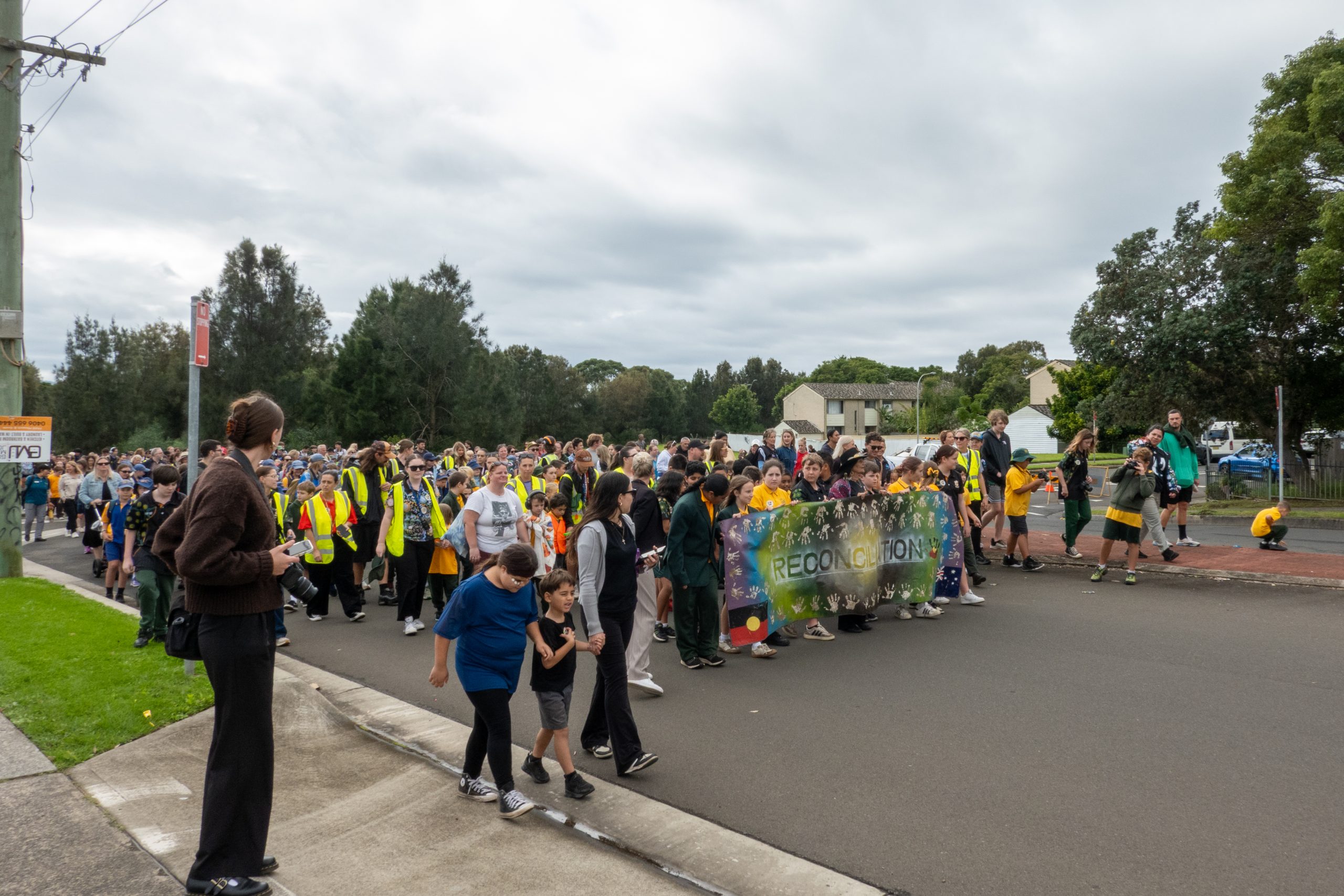
“At its heart”, Reconciliation Australia writes, “reconciliation is about strengthening relationships between Aboriginal and Torres Strait Islander peoples and non-Indigenous peoples, for the benefit of all Australians.” This is something that benefits all Australians, not just those who are Indigenous. And as the theme suggests, it’s a marathon, not a sprint. As Reconciliation Australia themselves put it:
All In makes clear that reconciliation is not a spectator sport and that all of us must step away from the sidelines and take action to make change.
The theme also reminds us that reconciliation and advancing Aboriginal and Torres Strait Islander peoples’ rights isn’t a passive activity, and it is not solely the responsibility of First Nations people, who have carried the weight of championing, explaining and acting for far too long.
Reconciliation will not happen by itself, and it will not happen without all of us.
From all of us at BROOKS, we wish you a meaningful National Reconciliation Week!